Case studies

Four orders, with the numbers left in.

Client names are withheld under NDA; the commercial detail is not. Each case below shows the problem we were handed, what we changed and what it produced.

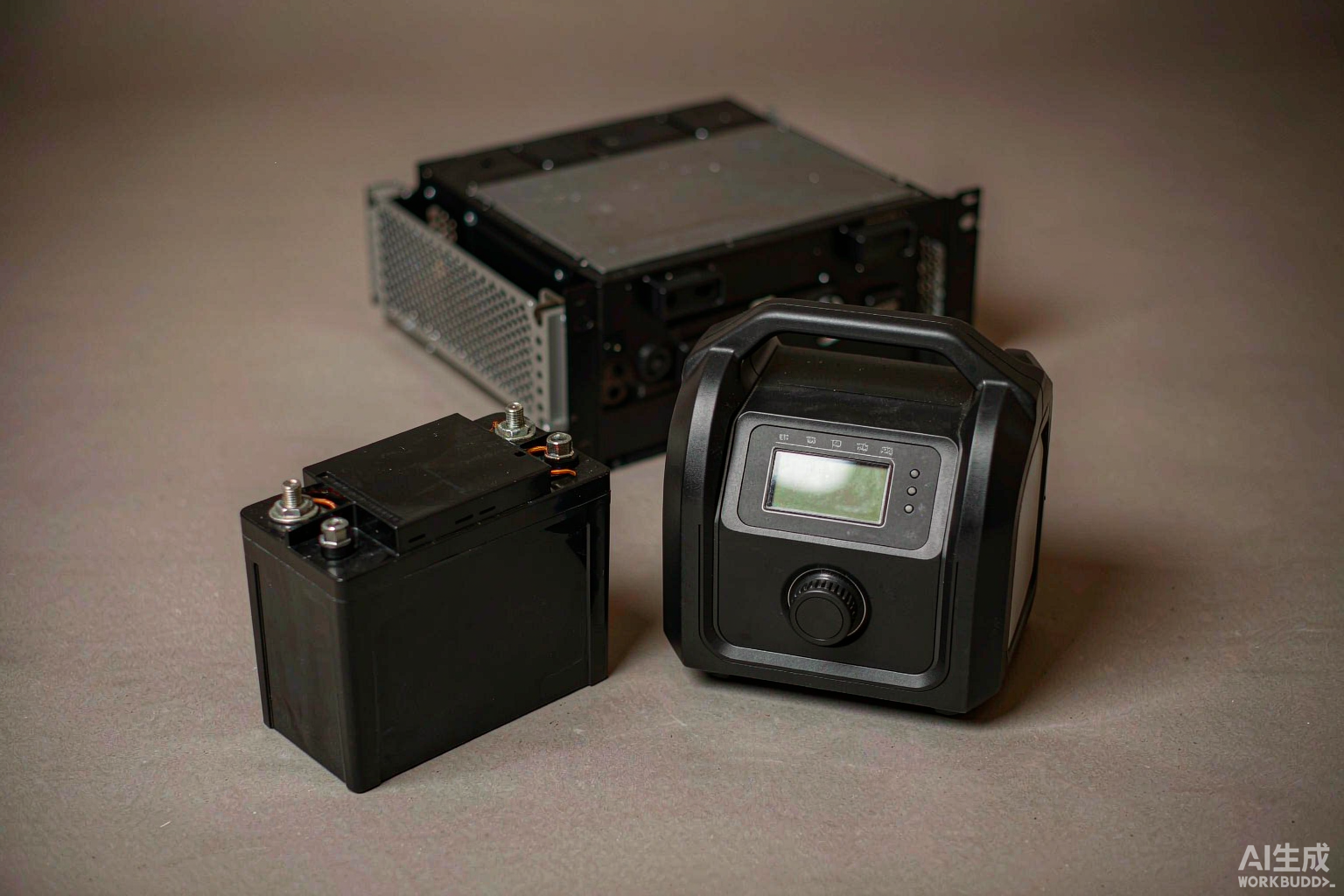
Portable power stations and LiFePO4 battery packs produced for a German distributor
Germany Energy storage 4,000 units

4,000 portable power stations in 11 weeks, at 18% below the original quote

The problem. A Hamburg distributor had a Q4 commitment to 60 retail doors and two factories quoting 16-week lead times at a unit cost that left almost no margin. Their existing agent had stopped replying.

What we did. We broke the bill of materials down by component and re-quoted the housing, BMS and cell pack separately across three audited factories. Two of the three could not hold the certification scope for the EU market; the third could, but only at 2,000 units per run. We split the order into two production blocks four weeks apart, negotiated the cell price on a combined 4,000-unit commitment, and booked sea freight ex-Yantian with a buffer week built in.

The result. All 4,000 units landed in Hamburg in week 11. Unit cost came down 18% against the original quote, and the distributor opened the season with stock instead of an apology email.

−18%
Unit cost vs. original quote
11 wk
Brief to Hamburg warehouse
0
Retail delivery misses
SMT production line assembling circuit boards for TWS earbuds
United States Consumer electronics Amazon brand

From a 4.1% defect rate to 0.3% on TWS earbuds

The problem. An Amazon seller was losing buy-box share to returns. The complaint themes were consistent: one earbud failing to pair, charging case not holding charge, and packaging arriving crushed. The factory blamed shipping; the forwarder blamed the factory.

What we did. We audited the existing supplier and found the real causes: no golden sample on the line, pairing tested by sampling rather than 100%, and a carton spec designed for pallet freight being used for individual parcel delivery. Rather than patch it, we moved production to a factory with in-line RF testing, locked a sealed golden sample in both locations, and added three checkpoints — battery cell batch, pairing at 100%, and a carton drop test before sealing.

The result. Within one production cycle, the defect rate on the next 3,000 units fell to 0.3%. Return rate followed, and the listing recovered its rating inside two months.

0.3%
Defect rate, next production run
100%
Pairing test coverage
3
New in-line checkpoints
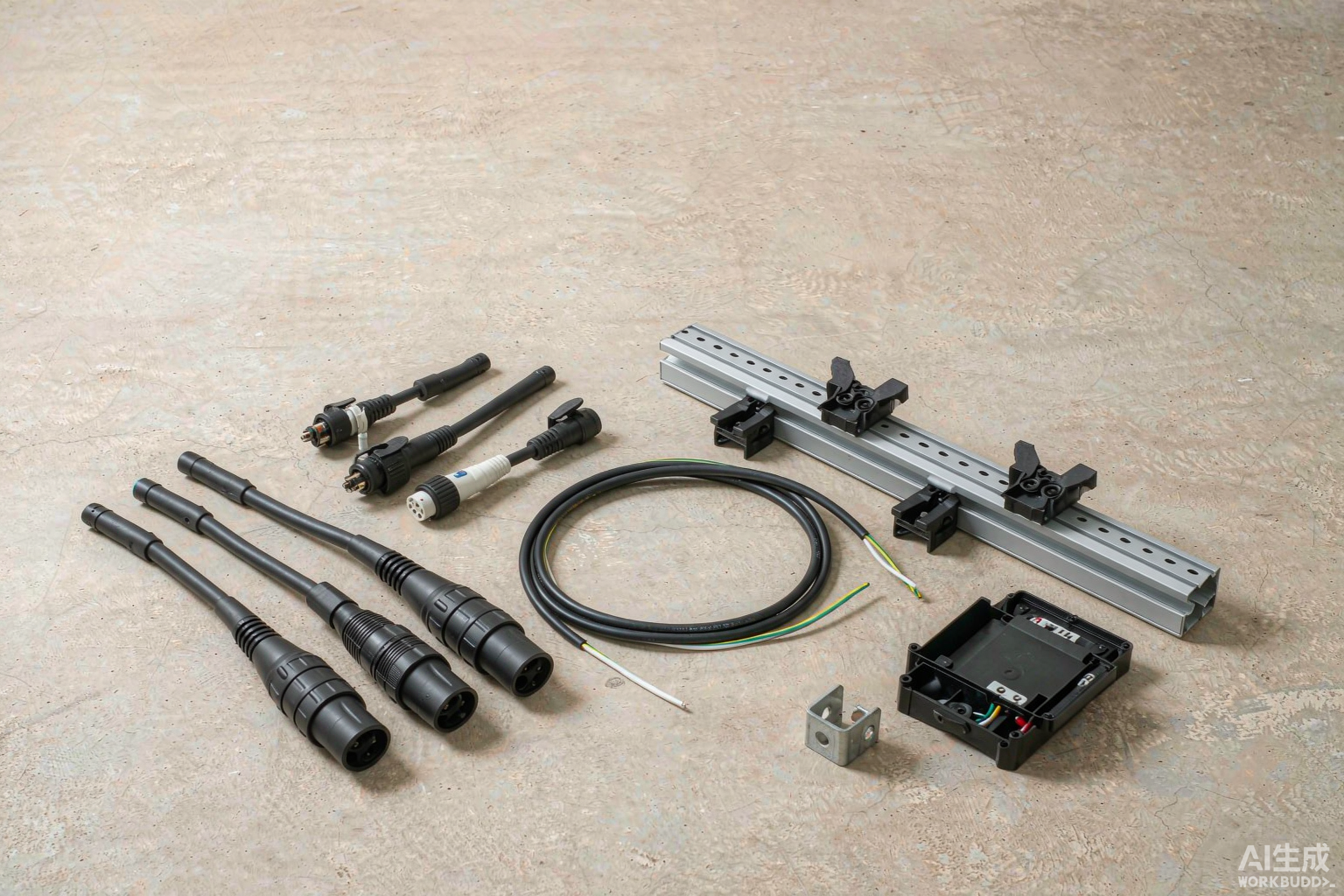
Solar mounting rails, MC4 connectors and DC cable consolidated for a Singapore wholesaler
Singapore Solar accessories 6 containers

Six mixed containers, four suppliers consolidated into one

The problem. A Singapore wholesaler was buying rails from one factory, clamps from another, connectors from a third and cable from a fourth. Four sets of deposits, four production schedules, four freight bookings — and a warehouse team unpacking mismatched component counts every month.

What we did. We mapped the bill of materials for their top six kits, identified a TÜV-tested factory able to supply rails, clamps and brackets from one line, and kept two specialist suppliers for connectors and cable. Components were shipped to our Yantian consolidation warehouse, kitted per SKU, and loaded as six mixed containers on a fixed monthly schedule.

The result. One purchase order and one freight booking per month instead of four, roughly 2,300 USD saved in freight on the first shipment alone, and a warehouse that receives complete kits rather than loose components.

4 → 1
Suppliers per kit
$2,300
Freight saved, first shipment
6
Mixed containers in year one
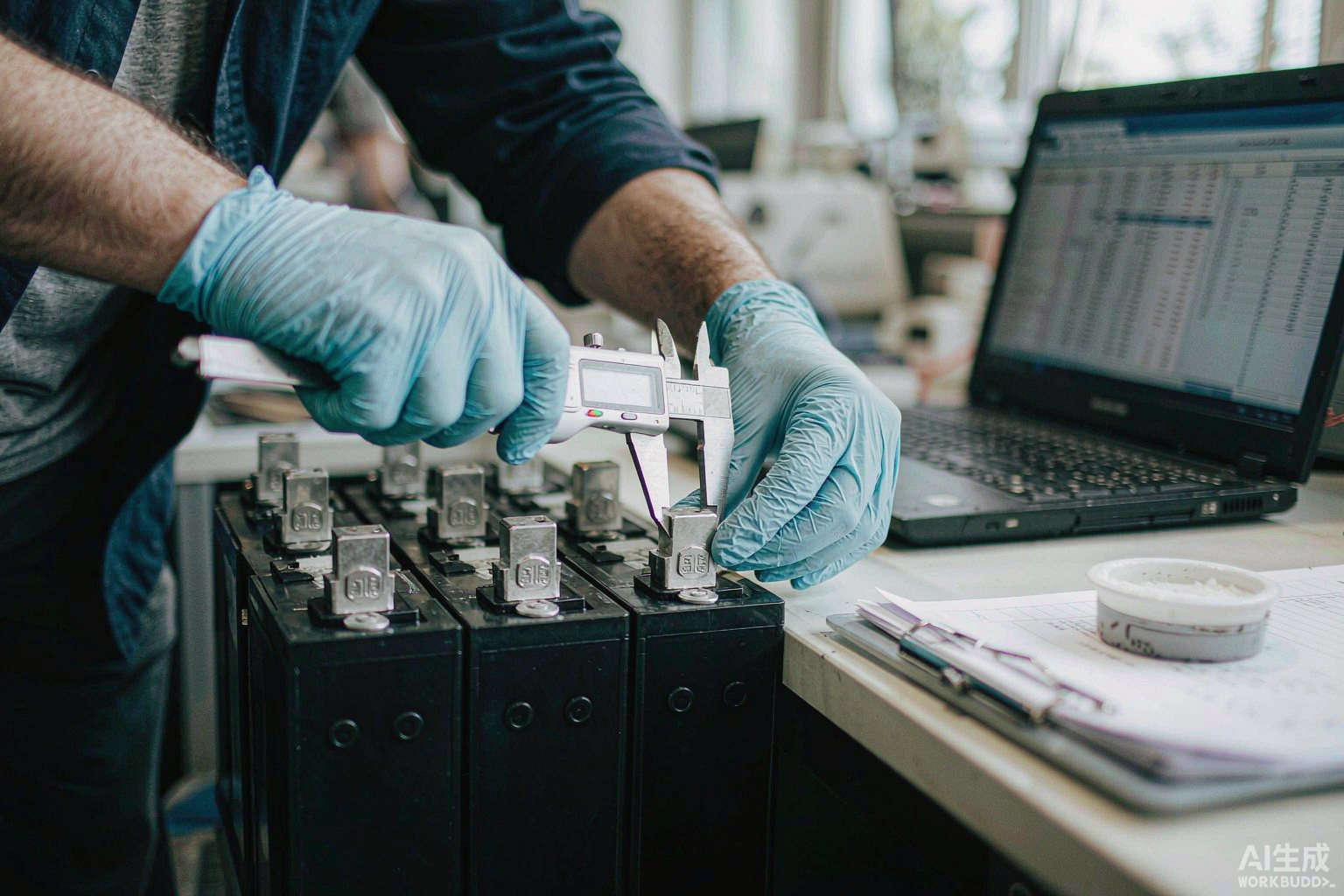
Quality inspection of LiFePO4 battery packs before shipment to the Netherlands
Netherlands LiFePO4 Compliance rescue

The UN38.3 report that did not match the cell

The problem. A Rotterdam importer had a container of 12 V LiFePO4 packs held at customs. The UN38.3 report the factory supplied covered a different cell manufacturer than the one inside the units. The carrier refused the booking; the importer was facing storage fees and a missed installation season.

What we did. We arranged cell-level identification on a sample of units, had the correct cell tested and documented through a recognised lab, and worked with the factory to reissue the MSDS and test summary against the actual bill of materials. In parallel we re-inspected the balance of the order, added a BMS cut-off test and a terminal torque check, and re-booked the shipment.

The result. Goods released, and the importer now requires a certificate-to-BOM match on every purchase order — a clause we wrote into their standard PO template.

9 days
Customs hold to release
100%
Units re-inspected
PO clause
Cert-to-BOM match, permanent

How we measure a project

Four numbers we report on every order.

Anecdotes are easy. These are the figures we can pull from our own records for any client who asks.

01

Landed cost vs. first quote

What the goods actually cost you at your door, compared with the first quotation you received before we started.

02

First-pass inspection rate

The share of production runs that pass pre-shipment inspection without rework. Our 2025 average: 98.2%.

03

Schedule adherence

Confirmed ex-factory date against actual. Delays are reported the day we learn about them, with a recovery plan.

04

Claim resolution time

From defect report to a written factory settlement. Most claims close inside two weeks, before balance payment.

Your project

What would your case study say?

Send us the product and the constraint — price, deadline, quality or certification. We will tell you which one is realistic and what it will take.

Start your enquiry See what we do

NDA available before you share specifications

WhatsApp